

There is a quiet satisfaction in watching a hen scratch through the autumn leaves, turning them over for slugs and grubs whilst clucking softly to herself. On a small holding, a few hens are more than a hobby. They are layers of breakfast, cleaners of the orchard, and makers of some of the finest compost you can spread on a bed. But they depend on you for shelter, security and a bit of routine. Get the basics right and a trio of birds will reward you for years.
Why Keep a Few Hens?
Three to six hens are plenty for a household. They provide fresh eggs with deep orange yolks, help control pests, and turn kitchen scraps into manure. A small flock is also a gentle introduction to stockkeeping for anyone new to a small holding.
- Eggs: A good hybrid will lay four to five eggs a week in spring and summer. Traditional breeds such as the Speckled Sussex, Buff Orpington or Marans lay fewer but often continue through winter.
- Pest control: Hens eat slugs, snails, chafer grubs and leatherjackets. Let them range over the orchard or fallow patch, but keep them out of the vegetable beds unless you want everything scratched to bits.
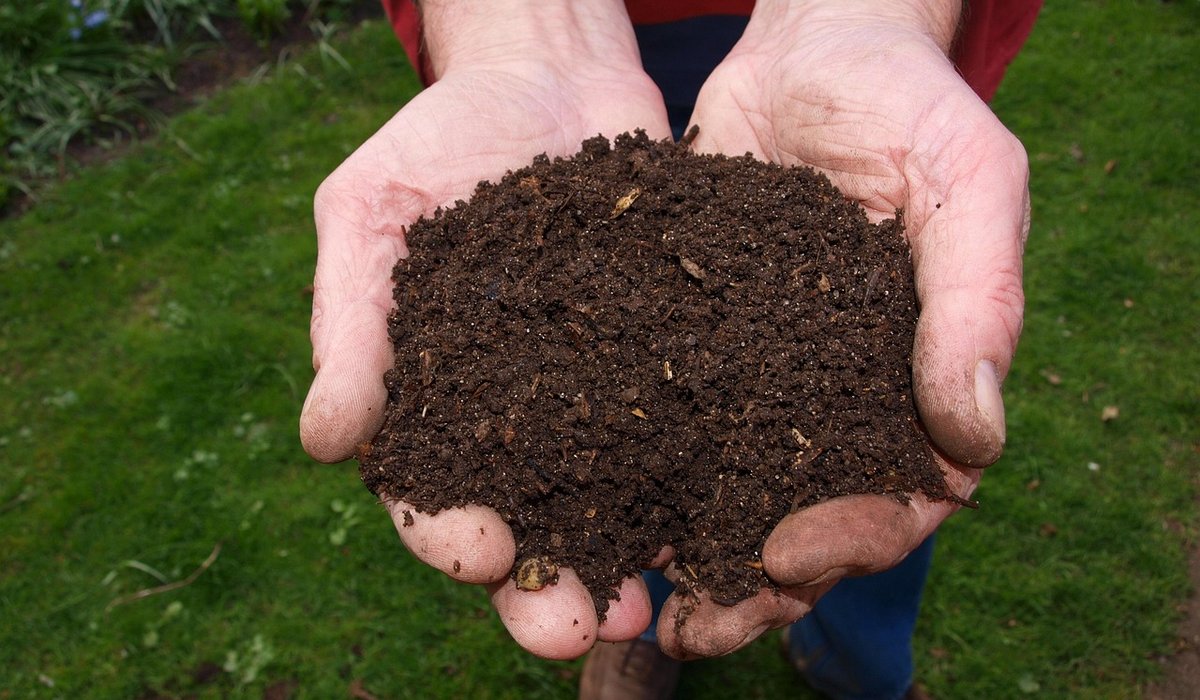
- Compost: Their droppings are rich in nitrogen. Mix them with straw and leaves in the compost heap and you will have crumbly dark gold within a few months.
Housing: A Coop That Is Dry and Draught-Free
Hens cope with cold far better than damp. A coop needs ventilation above head height but no draughts at perch level. Allow about 30cm by 30cm of floor space per bird, plus a perch of 20–25cm each. A simple wooden ark on skids is easy to move onto fresh ground. If you are handy with traditional rural skills, a few reclaimed pallets and some coppiced hazel rods will make a sturdy coop for very little cost.
- Bedding: Use straw or hemp shavings. Avoid hay, which goes mouldy and can cause respiratory problems.
- Cleaning: Remove droppings daily if you can, and give the coop a full scrub with a poultry-safe disinfectant every month.
- Red mite: These tiny grey mites hide in cracks and suck blood at night. Paint the coop with a diatomaceous earth slurry or use a blowtorch lightly on joints between flocks.
The Fox-Proof Run
A fox will dig, climb and squeeze through gaps you would not believe. Chicken wire is useless. Use welded mesh with holes no bigger than 5cm by 5cm, and bury it 40cm deep in an L-shape that turns outward. That stops digging. Cover the top with mesh or a solid roof, because foxes can climb a 2m fence. Check the run every evening for new digs or loose panels.
- Size: For three hens, a run of at least 2m by 4m gives room to scratch and dust bathe without turning the ground to mud.
- Shade and shelter: Plant a hurdle of coppiced willow or hazel along one side. It gives shade in summer and blocks the worst of the wind in winter.
- Move it: If you can, use a movable ark or chicken tractor. Fresh ground each week means fewer worms and happier birds.
Dust Baths and Health Checks
A dust bath is not a luxury. It is how hens smother lice and mites. Fill a shallow tray or old tyre with dry earth, a few shovelfuls of wood ash from a hardwood fire, and a handful of diatomaceous earth. The hens will work it into their feathers and keep themselves clean. Keep the bath dry under a small roof or upturned crate.
While you are with the flock, run an eye over them. A healthy hen has bright eyes, a red comb and smooth feathers. Watch for scaly leg, a rough crust on the legs that needs an oily barrier. Check for a blocked crop, which feels like a hard golf ball first thing in the morning. A hen that stands puffed up with her tail down is not well. Isolate her and offer warm water with a little honey.
Nesting Boxes and the Daily Routine
Provide one nesting box for every three to four hens. Line it with clean straw and give it a lip at the front so eggs do not roll out. Raise it off the ground and keep it dim and private. Collect eggs every morning and evening. Wash dirty eggs in cool water only just before use, never before storing, as washing removes the natural bloom that protects them.
- Morning: Let the hens out, check the water, scatter a handful of mixed corn.
- Midday: Collect eggs, top up feeders, look at the dust bath.
- Evening: Shut the coop. Foxes hunt at dusk, so do not be late. Count your birds.
Feeding, Foraging and Traditional Skills
Buy a good quality layers pellet as the base of the diet. It contains the right balance of protein, calcium and vitamins. Scatter a little mixed corn in the afternoon, especially in winter, to help them keep warm. Always provide grit for digestion and oyster shell for strong shells. Kitchen scraps are fine, but never give them anything mouldy, salty or from the onion family.
This is where traditional rural skills come into their own. A hurdle woven from coppiced hazel makes a fine windbreak. A few pallets can become a feed store or a broody coop. A moveable ark follows the chickens so they manure the ground for next year's potatoes. The hens do the work; you just point them in the right direction. Keep the run fox-proof, the dust bath dry and the nesting boxes clean, and your small flock will keep you in eggs and good company for years to come.


Coding is used in almost all aspects of life and work now, be it directly or indirectly. It’s not just for companies in the tech sector. “An increasing number of businesses rely on computer code,
Coding is used in almost all aspects of life and work now, be it directly or indirectly. It’s not just for companies in the tech sector. “An increasing number of businesses rely on computer code,
Coding is used in almost all aspects of life and work now, be it directly or indirectly. It’s not just for companies in the tech sector. “An increasing number of businesses rely on computer code,